

Blessing the Goldfish
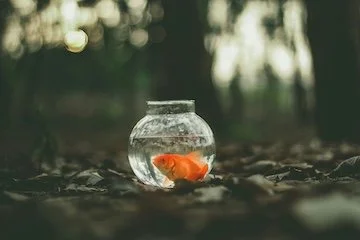
This past Saturday afternoon, the Plaza de San Francisco in Quito, Ecuador, looked a little like Noah’s ark had emptied into the town square: People arrived carrying their dogs, cats, rabbits, guinea pigs, hamsters, roosters, and, carefully transported in a bowl, at least one goldfish.
Hundreds of people had gathered in Quito’s historic center for the annual Blessing of the Animals, held this year on October 3 in connection with the October 4 feast day of St. Francis of Assisi. Franciscan priests moved through the crowd sprinkling holy water over animals and their humans alike. Some people even brought boxes containing the ashes of pets who had died.
The tradition grows from the life of Francis of Assisi, who died 800 years ago this month, in October 1226. Francis became famous for seeing the created world differently from most people around him. Medieval stories describe him preaching to birds, releasing trapped animals, and referring to creatures as brothers and sisters within God’s creation.
Near the end of his life, Francis wrote what became known as the Canticle of the Creatures, praising God through “Brother Sun,” “Sister Moon,” wind, water, fire, earth, and the whole created world. It was a remarkably expansive vision: Creation was not scenery surrounding the human story; creation itself belonged to God and joined in the praise of its Creator.
Eight centuries later, that vision produces quite a scene in a public square in Ecuador.
One of the Franciscan priests in Quito, Fray Edgar Abad, explained that people bring their animals partly because of faith, but especially because the animal has become part of the family. Another woman prayed that animals might be “cared for, protected, and not abandoned.”
Genesis begins with God repeatedly looking at creation and calling it good. The Psalms picture heavens, mountains, trees, seas, wild animals, livestock, birds, and people all joining the same chorus of praise. Jesus notices sparrows. Scripture is filled with a God who seems remarkably attentive to creatures we might easily overlook.
Caring for another creature asks us to notice the hunger, fear, trust, playfulness, vulnerability, and joy in a life very different from our own. And once we learn to pay attention there, we may become a little better at paying attention everywhere.
“How many are your works, LORD!
In wisdom you made them all;
the earth is full of your creatures.”
-- Psalm 104:24